
A 5-minute read
“Be bold, take up space, never apologize for who you are!- Stay humble, check your ego, know your place. From TED Talk power poses to self-doubt spirals, we’re all trying to crack this code. But how do we find our true voice?”
Confidence and self-doubt plays out differently across cultures, yet remains universally challenging. In the Kenyan culture, we learned to speak softly, to let our work speak for itself, to never draw attention.tightrope in our daily lives. Then I came to America, where confidence is currency. Where “fake it till you make it” isn’t just advice—it’s a survival strategy. Where being noticed isn’t just encouraged—it’s expected.
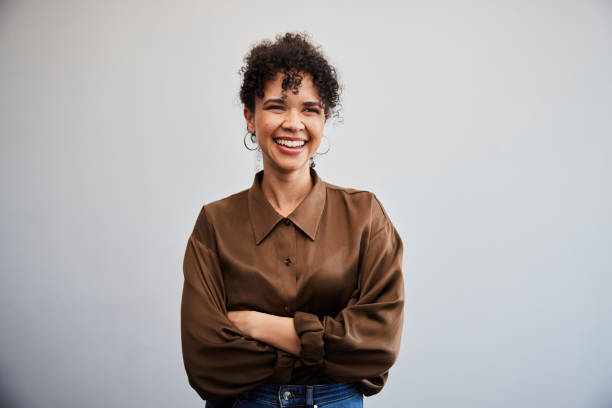
We all know that person—the one who walks into a room as if they own it, leaving the rest of us feeling like we’re still figuring out the basics. We might call this behavior “showing off,” or as “being assertive” sometimes influenced by our cultural upbringing.
But let’s be honest—haven’t we all been tempted to project that level of certainty? Not in an arrogant way, but simply to avoid appearing hesitant or unprepared. I remember my first class presentation here, weighing whether to speak with the measured reservation I was raised with or adopt the bold approach I saw working for my classmates.
On the flip side, there’s timidity—that feeling when you’d rather blend into the background than risk standing out. I know this feeling all too well. Timidity becomes quicksand: the more you worry about making mistakes, the deeper you sink into inaction.
It’s a universal human experience—the fear of being wrong, looking unprepared, or simply standing out when you’d rather blend in. But what opportunities might we miss when we let that fear control us?
A Learner’s Mindset
Could there be a place where confidence and timidity coexist in a healthy balance? I’m starting to think about what might be called a “learner’s confidence”—the ability to say “I don’t know everything, but I’m eager to learn” without shame or pretense. When I approach situations with curiosity rather than a need to prove myself, people seem to respond more openly. Does the pressure to either know everything or hide in the shadows start to fade when we position ourselves as learners?

 Musings of life